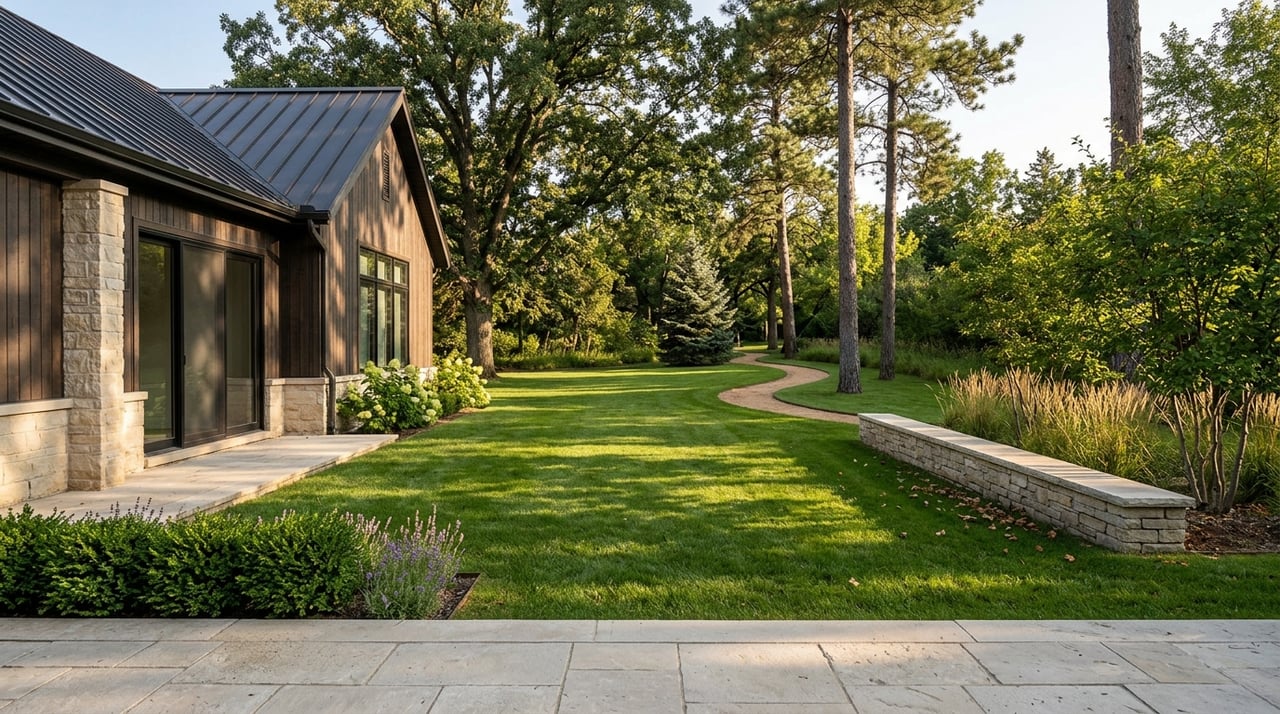
Looking for a place where open space feels woven into daily life? In Cherry Hills Village, parks, trails, and natural areas are not just nice extras. They are a big part of how the community functions and how many buyers experience the area day to day. If you are exploring Cherry Hills Village homes, understanding the outdoor layout can help you see how different parts of the Village connect. Let’s dive in.
Why outdoor access matters here
Cherry Hills Village treats parks, trails, and open space as part of its identity. City materials highlight more than 25 miles of trails, along with a planning focus on preserving open space, scenic views, and trail connections that fit the natural landscape.
That matters when you are comparing homes. In some communities, green space is limited to a few scattered parks. In Cherry Hills Village, the outdoor experience is broader and more connected, with trails, canal access, passive open space, and equestrian-friendly areas all shaping the feel of the Village.
The outdoor system at a glance
A helpful way to think about Cherry Hills Village is as a landscape-first community. The city’s network includes public parks, open spaces, trail corridors, and a central loop that ties many of the key destinations together.
It is also important to know that not all green space is public. City planning materials note that the Village’s scenic feel comes from a mix of public parks and trails, along with large private open spaces controlled by clubs, associations, and other property owners.
Key parks near Cherry Hills Village homes
John Meade Park
John Meade Park is one of the Village’s most active public outdoor spaces. After redevelopment completed in 2019 and 2020, the park added a picnic shelter with restrooms, a play area, fishing piers at both ponds, a boardwalk through the wetlands, and 125 new trees.
For many buyers, this is the kind of park that stands out because it offers several ways to use the space in one visit. You can walk, spend time near the water, enjoy the play features, or simply use it as part of a larger trail outing.
Alan Hutto Memorial Commons
Adjacent to John Meade Park, Alan Hutto Memorial Commons adds another layer of community space. The city says this area includes a concrete performance area, pathways, and a terraced grass amphitheater.
Together, these two spaces create one of the more active public gathering areas in Cherry Hills Village. If you want a sense of where public amenities feel most concentrated, this part of the Village is a smart place to start.
Quincy Farm
Quincy Farm offers a very different outdoor experience. This 17.5-acre property sits in the heart of Cherry Hills Village, spans both sides of the High Line Canal, and is listed on the National Register of Historic Places.
The site was gifted to the city and is protected by a conservation easement administered by Colorado Open Lands. According to the city, both the east and west sides are open for visitation from sunrise to sunset, and access is available from the High Line Canal Trail or Quincy Avenue.
For buyers, Quincy Farm shows another side of the Village. It combines open land, historic character, and canal access in a way that feels quieter and more preservation-focused than a typical neighborhood park.
Blackmer Common
Blackmer Common is a 14.5-acre passive preservation park off the High Line Canal Trail southeast of Kent Denver School. The city describes it as a space mainly used for wildlife viewing and access to the school property.
This is not the kind of park built around playgrounds or programmed activity. Instead, it reflects the quieter side of Cherry Hills Village open space, where the goal is to preserve landscape and support nature viewing.
Smaller parks and equestrian spaces
Cherry Hills Village also includes smaller and more specialized outdoor spaces. Dahlia Hollow Park is a neighborhood open space that includes play rocks installed as a family amenity.
The updated city trail map also shows Three Pond Park and Woodie Hollow Park, both of which reinforce the Village’s equestrian-friendly character. Three Pond Park includes parking and cross-country jumps, while Woodie Hollow Park includes on-street access and a riding arena with jumps.
Trails that connect the Village
The Village Trail loop
If you want one feature that explains how the outdoor system works, it is the Village Trail. The city’s updated trail map describes it as a loop of about 6.1 miles that meanders through Cherry Hills Village and connects the High Line Canal, Quincy Farm, the Village Center, and John Meade Park.
About two miles of that route follow the High Line Canal Trail. The city says the full loop takes about two hours to walk, which gives you a practical sense of scale if you are picturing everyday use.
For homebuyers, this loop helps explain why outdoor access can feel more integrated here. Rather than isolated destinations, several of the Village’s most notable public spaces are linked by a continuous route.
The High Line Canal corridor
The High Line Canal is the regional backbone of Cherry Hills Village’s trail system. The city says the canal extends more than 71 miles and is one of the country’s longest continuous urban trails.
Within Cherry Hills Village, the canal serves as both a recreation corridor and part of the drainage system. The trail is used for walking, nature viewing, bicycling, hiking, horseback riding, and picnicking, and it is open year-round from dawn to dusk.
The city also notes underpasses beneath Hampden Avenue and Colorado Boulevard, which improve safer trail connections. That added connectivity can make a real difference if you are evaluating how easy it is to move through the area on foot, bike, or horseback.
How different areas feel
One of the most useful ways to understand Cherry Hills Village is to look at where amenities cluster. Based on the city’s map materials, the strongest concentration of active public amenities sits around Quincy Avenue, University Boulevard, Meade Lane, and the Village Center.
In that area, John Meade Park, Alan Hutto Memorial Commons, Quincy Farm, and the Village Trail all come together. That creates a more connected public outdoor hub than you might expect in a low-density community.
Farther southeast, Blackmer Common and the High Line Canal corridor support a quieter, more preservation-oriented feel. Other areas shown on the city map emphasize equestrian use, which adds another distinct layer to the Village’s outdoor identity.
What buyers should keep in mind
When you tour Cherry Hills Village homes, outdoor access is worth looking at in a practical way. Instead of asking only whether a property is near a park, it helps to ask what kind of outdoor experience is nearby.
Some homes may feel closer to active public amenities with trails, picnic areas, restrooms, and gathering spaces. Others may connect more naturally to passive open space, canal views, wildlife areas, or equestrian features.
A few smart questions to consider include:
- How close is the home to the Village Trail or High Line Canal access?
- Are the nearest outdoor spaces active parks or passive preserves?
- Is the surrounding green space public, private, or a mix of both?
- Would you use walking trails, canal access, or equestrian features most often?
- Do you want to be near the Village Center cluster or in a quieter pocket of the Village?
These details can shape your day-to-day experience just as much as square footage or finishes. In Cherry Hills Village, the outdoor setting is often part of the value people are really buying into.
A quick note on access and hours
If you plan to explore these spaces in person, city materials say Cherry Hills Village parks are open daily from 6:00 AM to 11:00 PM. Quincy Farm has a different visitation window, with both sides open from sunrise to sunset.
That distinction is useful if you are mapping out a visit. It also reflects the fact that different open spaces in the Village serve different purposes.
If you want help understanding how specific homes relate to trails, parks, and open space in Cherry Hills Village, Niki Collier can help you look beyond the listing photos and focus on how the setting supports your lifestyle.
FAQs
What parks are most notable in Cherry Hills Village?
- John Meade Park, Alan Hutto Memorial Commons, Quincy Farm, Blackmer Common, Dahlia Hollow Park, Three Pond Park, and Woodie Hollow Park are among the key public parks and open spaces highlighted by the city.
What is the Village Trail in Cherry Hills Village?
- The Village Trail is a loop of about 6.1 miles that connects the High Line Canal, Quincy Farm, the Village Center, and John Meade Park, with roughly two miles on the High Line Canal Trail.
Is Quincy Farm open to the public in Cherry Hills Village?
- Yes. The city says both the east and west sides of Quincy Farm are open for visitation from sunrise to sunset and can be reached from the High Line Canal Trail or Quincy Avenue.
Does Cherry Hills Village have equestrian-friendly open space?
- Yes. The city’s updated trail map shows equestrian-oriented features at parks including Three Pond Park and Woodie Hollow Park, and the High Line Canal Trail can also be used for horseback riding.
Are all open spaces in Cherry Hills Village public?
- No. City planning materials say the Village’s open feel comes from a mix of public parks and trails plus private open space controlled by clubs, homeowners associations, and other entities.
What are park hours in Cherry Hills Village?
- City materials say Cherry Hills Village parks are open daily from 6:00 AM to 11:00 PM, while Quincy Farm is open from sunrise to sunset.