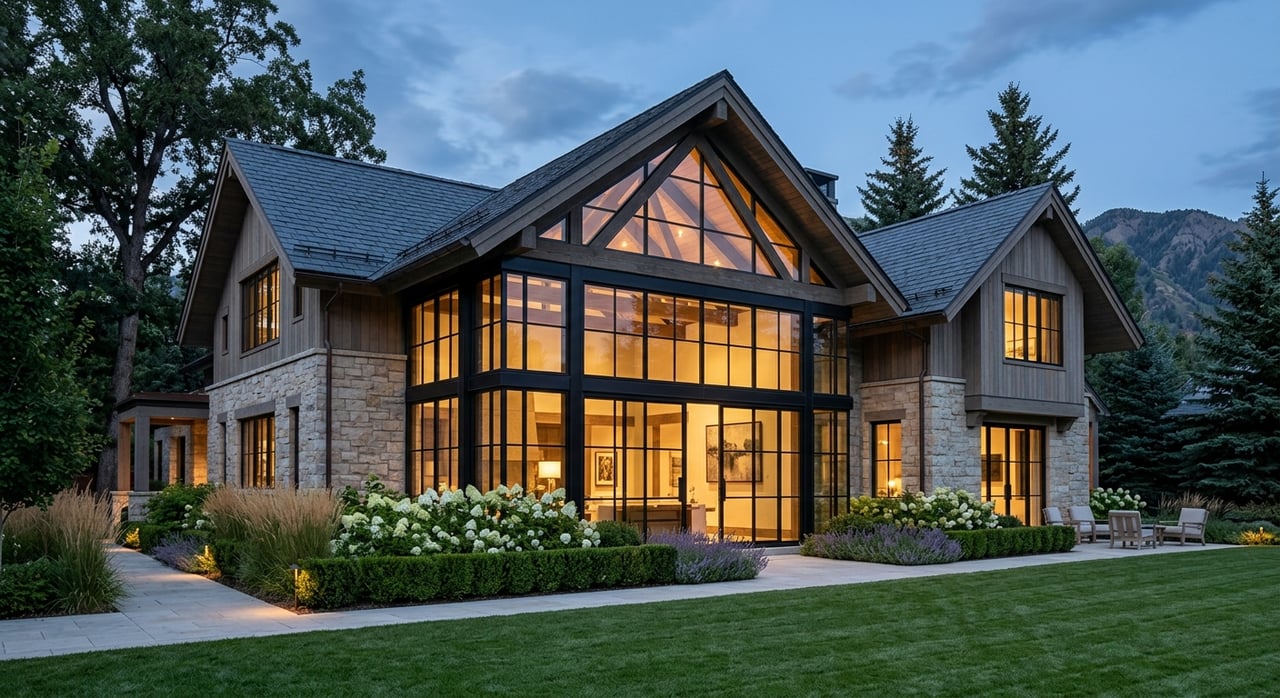
Wondering why one Cherry Hills Village address feels like a classic estate lane while another feels more like a polished custom-home enclave? That is a smart question to ask, because Cherry Hills Village is not one uniform luxury market. If you are buying or selling here, understanding the village’s micro-neighborhoods and signature streets can help you read pricing more clearly, compare homes more accurately, and make better decisions. Let’s dive in.
Cherry Hills Village Is Not One Market
Cherry Hills Village has long protected its low-density residential character. The city’s planning framework and history show that lot size has shaped the community from the beginning, with zoning districts ranging from 2.5-acre minimums in R-1 down to 16,000 square feet in R-5, and with original zoning placing 2.5-acre minimum building sites across much of the village. You can see that layered structure through the city’s neighborhoods and HOAs map and official planning resources.
That matters because buyers are usually not choosing Cherry Hills Village in the abstract. They are choosing a specific pocket, a certain lot pattern, and often a particular street character. The result is a market where age, acreage, setting, and rebuild quality can affect value just as much as square footage.
How History Shaped The Pockets
According to the City of Cherry Hills Village history, the village was incorporated in 1945, and lot size was a central issue in the original zoning ordinance. Later annexations added areas including Cherry Hills East, Southmoor Vista, North Charlou, and Mansfield Heights.
That history helps explain why the community contains multiple housing patterns instead of one single estate format. Some areas reflect the older semi-rural estate story, while others show more mid-century homes, remodel opportunities, or newer custom construction. For buyers and sellers, that means context matters on almost every address.
Old Cherry Hills Streets
Old Cherry Hills is often the reference point for the village’s classic estate identity. This pocket is known for tree-lined streets, a more private feel, and a mix of older properties, renovated homes, and high-end new builds.
The street names that come up again and again here include South Franklin, South Lafayette, Viking Drive, East Stanford, East Radcliff, Meade Lane, and South Lane. Recent examples show lot sizes ranging from roughly 0.67 acres to 2.8 acres, which is a good reminder that even within the old core, there is meaningful variation from one property to the next.
Pricing here can swing widely because the market is thin and the homes are not interchangeable. In Redfin’s Old Cherry Hills housing market data, the median sale price reached $9.3 million in March 2026 across only three sales, while individual properties ranged from lower-priced original or older homes to much higher-priced new construction. In practical terms, lot size matters, but the condition, architecture, and exact street often matter just as much.
What Buyers Notice In Old Cherry Hills
If you are shopping in Old Cherry Hills, you are usually comparing feel as much as specs. Some homes offer the older estate-lane atmosphere buyers want, while others compete on newer finishes or custom design.
The value conversation often centers on:
- Lot size and usable outdoor space
- Privacy and tree cover
- Whether the home is original, updated, or rebuilt
- The reputation of the specific street or cul-de-sac setting
What Sellers Should Highlight In Old Cherry Hills
If you are selling in this pocket, precision matters. Be clear about exact acreage, the home’s renovation or rebuild story, and any setting advantages such as mature landscaping or a tucked-away location.
In this segment, buyers tend to look past generic luxury language. They want to understand what makes your property distinct within the old-core inventory.
Cherry Hills East Character
Cherry Hills East has a different rhythm from Old Cherry Hills. As part of the later annexation story, it tends to include more mid-century and ranch-era homes, along with newer infill and custom replacements on somewhat smaller estate lots.
Signature streets and corridors here include East Oxford, East Princeton, South Hudson Parkway, South Hudson Way, South Holly, South Dahlia, East Nassau, Southmoor Circle, Charlou Park, Chaumont, and Mansfield Heights. Recent examples in this broader east-central area show sales from roughly the low-$2 million range to $4.5 million, often on lots around one-half acre or less.
This pocket can appeal to buyers who want a central location, established streetscapes, and a mix of renovated originals and newer homes. It is often less about maximizing acreage and more about balancing lot size, finish level, and location within the village.
Why Smaller Lots Still Command Strong Prices
Cherry Hills East shows that smaller lots do not automatically mean lower-tier pricing. High-quality updates, newer construction, and a strong setting can still support significant value.
Recent listings and sales in the broader north and east edge pockets show homes on roughly 0.44 to 0.48 acres trading from about $1.45 million to nearly $2.8 million, with some properties listed even higher depending on finish and presentation. That is why it helps to compare homes by pocket and product type, not by village name alone.
Cherry Hills North And Nearby Pockets
Cherry Hills North, Southmoor Vista, Charlou Park, and Mansfield Heights often sit in an in-between category. They are still clearly part of the Cherry Hills Village market, but they more often feature 1960s- to 1980s-era homes, remodels, and custom rebuilds on lots around 0.4 to 0.5 acres.
Recent examples in this group include homes on East Nassau Place, Southmoor Circle, South Dahlia Street, and South Hudson Way. These addresses help show the pricing pattern in this segment, where lot size may be more manageable and the value story may revolve around renovation quality, outdoor improvements, and layout rather than raw land alone.
This is also where buyers may spend more time weighing the cost of updates against the appeal of the location. A remodeled ranch and a newer rebuild may sit on similar lot sizes but offer very different long-term value depending on condition and design.
Renovation Matters Here
In these pockets, the age of the home often plays a bigger role in pricing. Some listings emphasize updated kitchens, patios, additions, or outdoor living features rather than acreage.
That means sellers should avoid positioning a 0.44-acre remodel as if it competes directly with a multi-acre old-core estate. The stronger strategy is usually to lean into the quality of updates, the livability of the floor plan, and the functionality of the lot.
Cherry Hills Farm And Gated Enclaves
Cherry Hills Farm, Cherry Hills Park, and Buell Mansion represent a more contemporary side of Cherry Hills Village. The official neighborhood map places these enclaves among the village’s recognized pockets, and current market activity shows they cover a wide price range.
Cherry Hills Farm often features lots around 0.8 to 1.0 acres, with some larger estate parcels mixed in. Recent sold examples include homes on Cherry Hills Farm Drive, South Columbine Court, and South Fillmore Court, with prices ranging from the mid-$2 million range to more than $8 million depending on lot size and the home itself.
Buell Mansion and Cherry Hills Park push further into the newer-construction and gated-estate category. Current listings include homes on Foxtail Circle, Waterside Terrace, Sandy Lake Road, and Cherry Hills Park Drive, with asking prices stretching from the mid-$3 million range to well above $10 million. In the highest tier, the package often includes a premium lot, newer construction, and gated or security-oriented setting.
Who These Pockets Fit Best
These enclaves often appeal to buyers who want a more polished, planned environment and a home that feels newer from day one. In some cases, the draw is not just the house, but the combination of lot, privacy, landscaping, and neighborhood structure.
If you are comparing these areas to the older core, the decision often comes down to lifestyle preference. Do you want the older estate-lane character of Old Cherry Hills, or do you prefer a newer custom-home environment with a more defined enclave feel?
What Drives Value Across The Village
Across Cherry Hills Village, a few factors show up again and again in pricing:
- Land and lot size
- Street setting and privacy
- Original home versus updated home versus rebuild
- Mature trees and outdoor character
- Gated setting, ponds, trails, or view corridors
The city’s residential development materials also support the idea that site characteristics and setting materially shape how properties are experienced and valued. In other words, two homes can both be in Cherry Hills Village and still compete in very different lanes.
A broader market snapshot tells the same story. Realtor.com’s Cherry Hills Village market overview reported a March 2026 median listing price of $3,892,500, 42 active listings, and a median 33 days on market, while Redfin reported a March 2026 median sale price of $4.999 million and 56 days on market. Those figures are measured differently, but together they reinforce that this is a high-price, low-supply micro-market.
How To Use Micro-Neighborhoods When Buying
If you are buying in Cherry Hills Village, start by narrowing your search by pocket instead of relying only on price or square footage. A renovated half-acre home in Cherry Hills East answers a different need than a 2.5-acre property in Old Cherry Hills or a newer gated estate in Cherry Hills Park.
It helps to ask a few simple questions:
- Do you want the oldest estate-lane feel or a newer enclave setting?
- Is lot size your top priority, or would you rather have a more improved home on a smaller parcel?
- Are you open to renovation, or do you want newer construction?
- Which street names come up consistently in the type of home you prefer?
The more specific you get, the faster the market starts to make sense.
How To Use Micro-Neighborhoods When Selling
If you are selling, your strategy should match your exact pocket. The strongest marketing angle for an Old Cherry Hills estate is not always the right angle for a remodeled home in Southmoor Vista or a newer custom property in Buell Mansion.
In most cases, buyers respond best when the property is framed accurately. Exact lot size, construction era, renovation quality, and outdoor setting are all essential details here. In Cherry Hills Village, those factors can shape buyer perception just as much as interior size.
If you want help understanding how your street, lot, and home type fit into the broader Cherry Hills Village picture, connecting with a local expert can make the process much easier. For tailored guidance on buying or selling in Cherry Hills Village, reach out to Niki Collier.
FAQs
What are the main micro-neighborhoods in Cherry Hills Village?
- The official city map identifies pockets including Old Cherry Hills, Cherry Hills East, Cherry Hills North, Buell Mansion, Cherry Hills Farm, Cherry Hills Park, Charlou Park, Cherryridge, Glenmoor, Mansfield Heights, and Southmoor Vista.
Which streets are most recognizable in Old Cherry Hills?
- The names that recur most often in the old core include South Franklin, South Lafayette, Viking Drive, East Stanford, East Radcliff, Meade Lane, and South Lane.
Which Cherry Hills Village areas tend to have older homes?
- Old Cherry Hills reflects the oldest estate story, while Cherry Hills East, Cherry Hills North, Southmoor Vista, Charlou Park, and Mansfield Heights often include more mid-century homes and renovation-driven inventory.
Which Cherry Hills Village pockets tend to have newer homes?
- Buell Mansion, Cherry Hills Park, and parts of Cherry Hills Farm generally skew newer, with many custom homes from the late 1990s forward and some very recent construction.
What usually matters most for Cherry Hills Village home values?
- Lot size, privacy, street setting, mature landscaping, and whether a home is original, updated, rebuilt, or newly constructed are all major value drivers.
How should buyers compare homes in Cherry Hills Village?
- It is usually smartest to compare homes by micro-neighborhood, lot pattern, and construction story rather than treating the entire village as one uniform market.