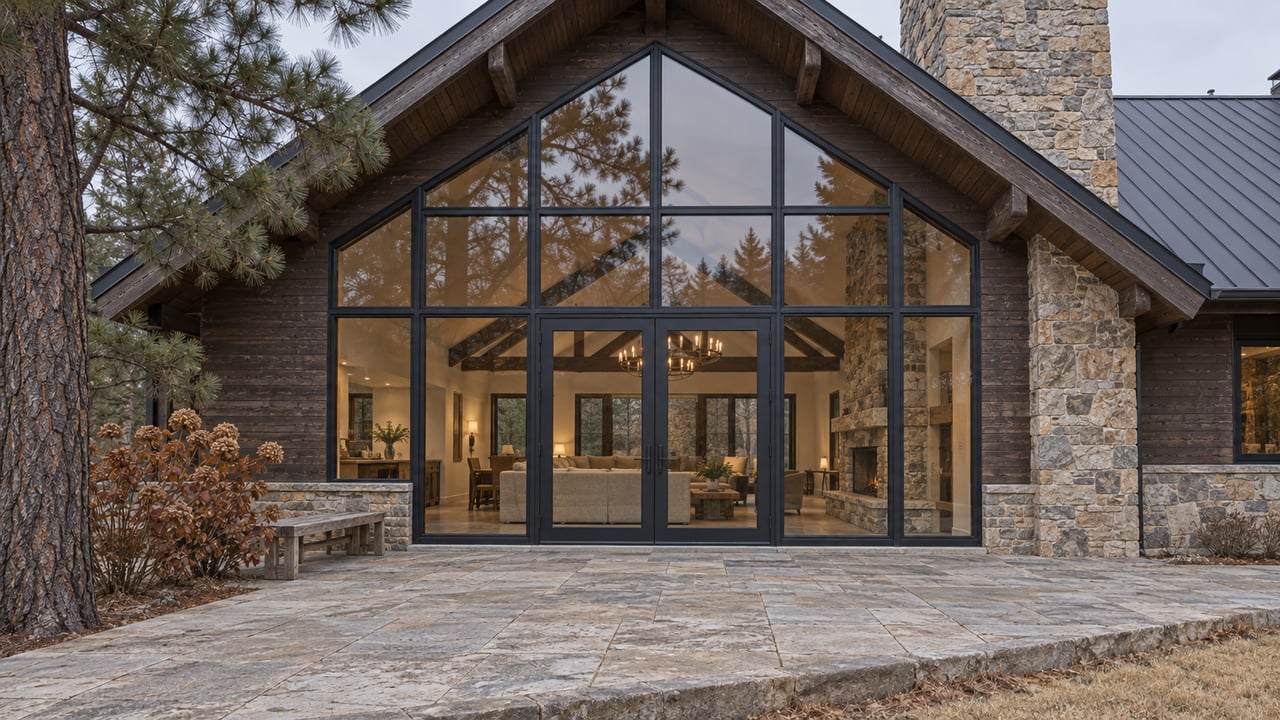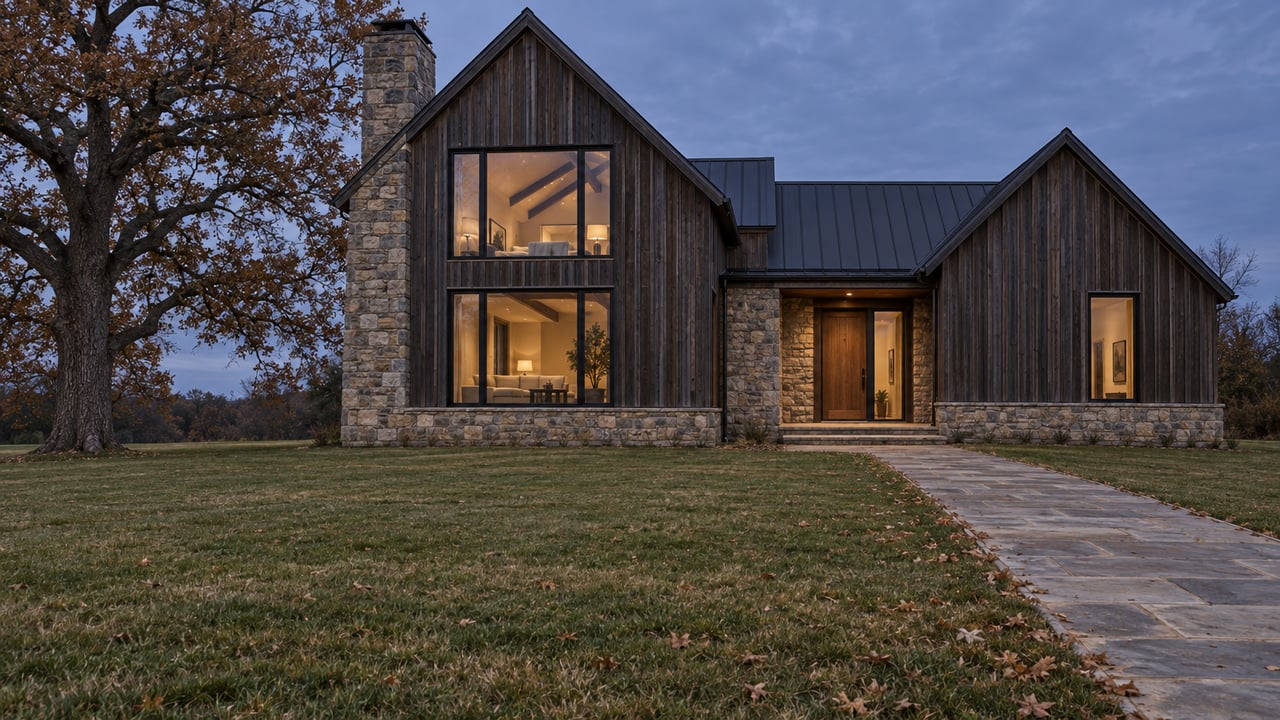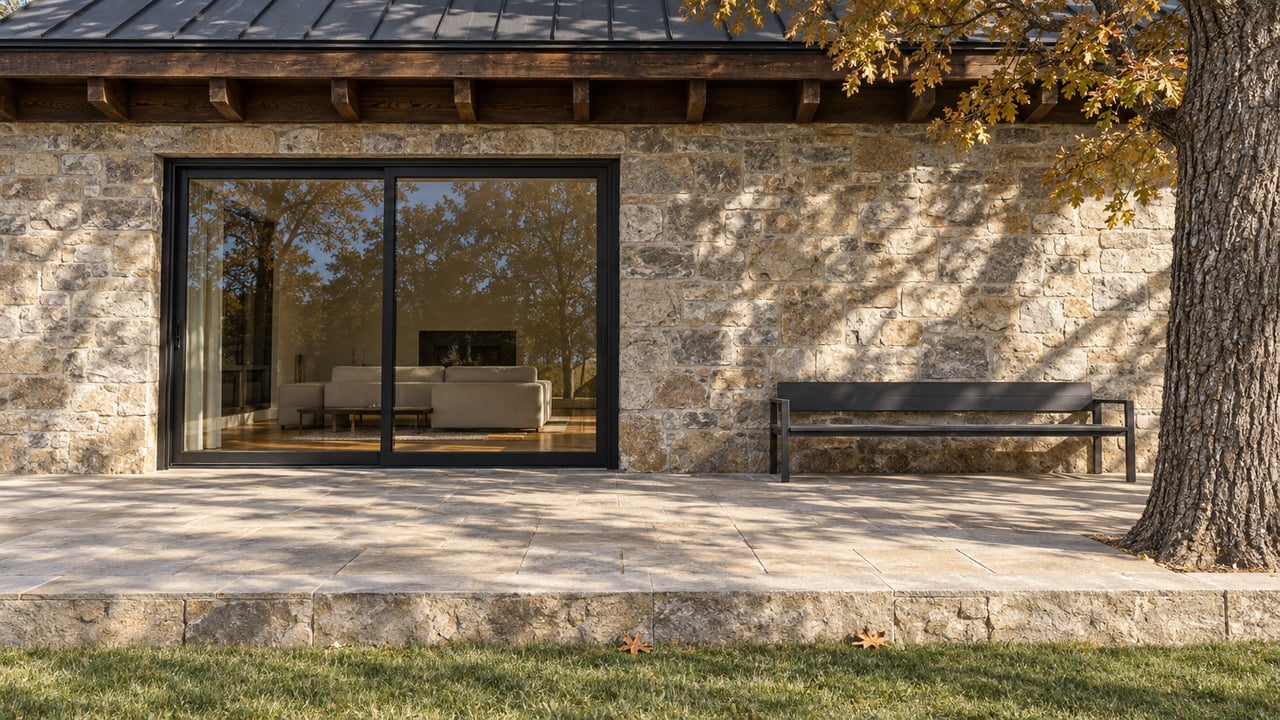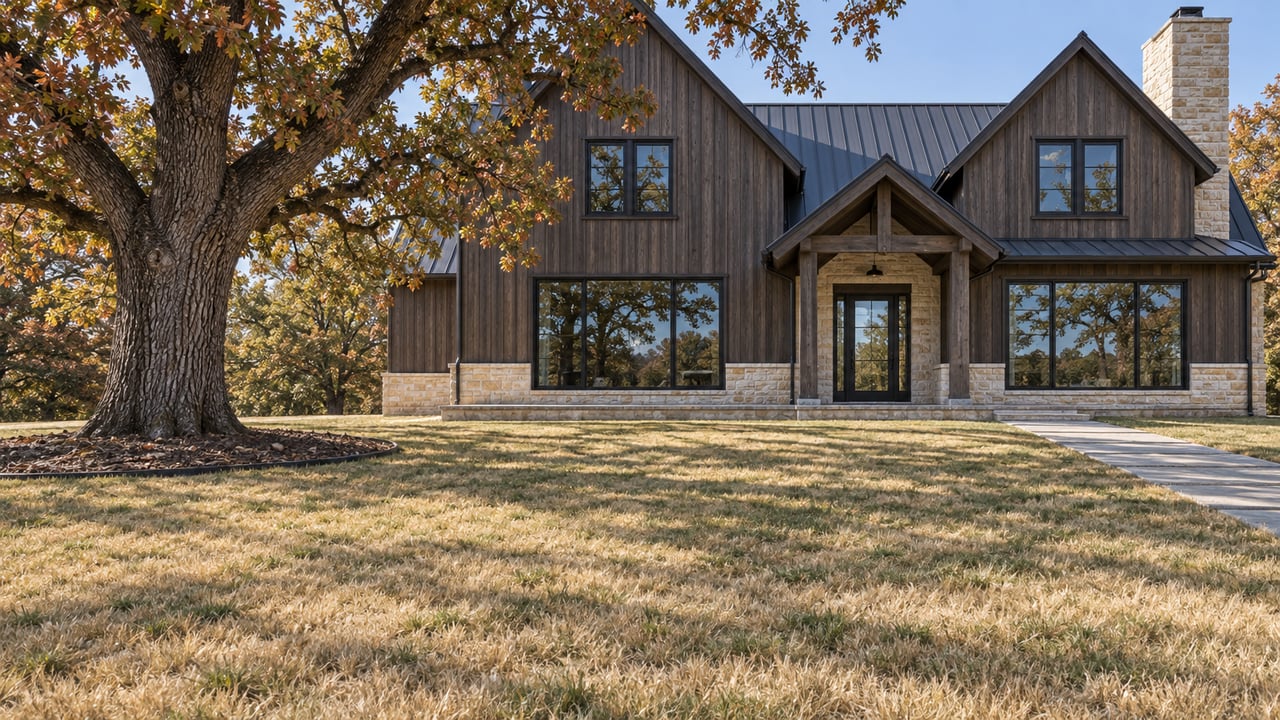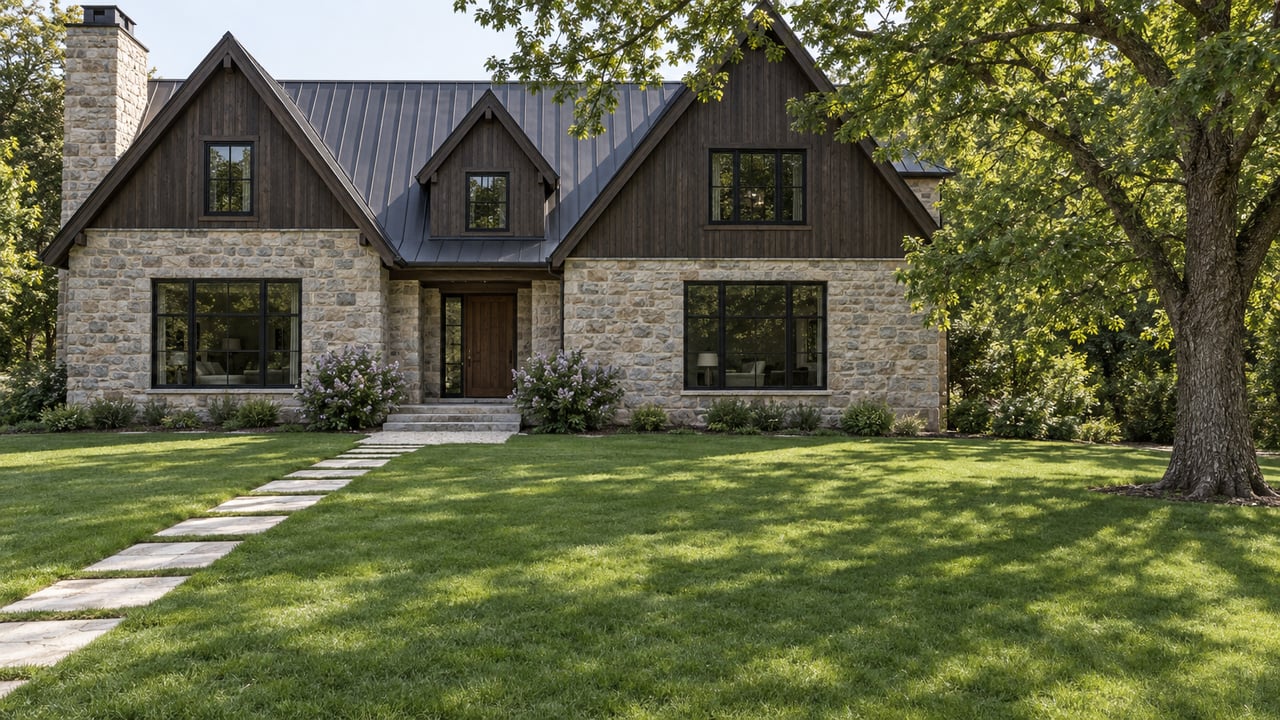
A home on Glenmoor Drive with a fairway view and a home on the same street with a locker in the clubhouse are two different purchases. The real estate transaction gets you the first. It does not get you the second, and conflating the two is the most common miscalculation buyers make when they start comparing Cherry Hills Village listings against other golf-adjacent neighborhoods around Denver.
This matters more here than in most places because Cherry Hills Village contains two working country clubs inside its own boundaries, not one club it happens to border. Cherry Hills Country Club and Glenmoor Country Club both sit on Village land, both show up in listing photography, and both operate as closed systems that a real estate closing has no authority over. Understanding how those systems work, and what they cost separately from the house, changes how you should read a price tag on anything described as "club adjacent."
Two Clubs, Two Different Pedigrees
Cherry Hills Country Club dates to 1922 and was laid out by William Flynn, the same architect behind Shinnecock Hills and The Country Club at Brookline. Its most famous moment arrived in June 1960, cementing its place in golf history well before most of the estates around it were built. That kind of institutional weight shows up in the membership economics: third-party estimates put the initiation fee anywhere from $85,000 to $135,000 depending on the source, with monthly dues running around $1,000. The spread between those numbers is wide enough that it is worth treating as a range rather than a fixed figure, and worth confirming directly with the club rather than any aggregator site.
Glenmoor Country Club is younger, opened in 1984 with a Pete Dye design on 112 acres, and finished a full course renovation in 2023 led by Love Golf Design. Its 43,000-square-foot clubhouse had also been in the middle of a 50,000-square-foot renovation that was slated to wrap by summer 2026.
These are not interchangeable amenities that happen to share a ZIP code. One is a century-old institution with major-championship history. The other is a newer, family-oriented club. When a listing describes a home as being in a "golf course community" without specifying which club or whether membership is attainable, buyers still need to assess those details when considering cost.
Membership Is a Separate Underwriting Process
Neither club works like a homeowners association where paying dues is automatic once you close on the house. Both require sponsorship from an existing member, a written application, and reference checks, and the process can take months to work through even when a membership category is technically open. This is standard practice across Denver's private clubs, not a Cherry Hills-specific quirk, but it means the real estate closing and the club application are two separate approvals running on two separate timelines, and a buyer who assumes the second follows automatically from the first is planning around a step that does not exist.
Glenmoor is the more transparent of the two clubs about what that process actually costs, and its published structure is worth walking through in detail because it shows how membership tiers are built to price different levels of access differently.
What Glenmoor's Published Numbers Actually Show
Glenmoor's golf membership for members age 41 and older currently requires a $95,000 initiation fee plus a separate $30,000 assessment, with the assessment due twelve months after activation. That two-part structure means the full cost of joining isn't visible in the headline initiation number. A prospective member budgeting off the $95,000 figure alone would be short by nearly a third once the assessment comes due.
A Social membership is priced lower on paper, at a $45,000 initiation fee plus a $20,000 assessment, with monthly dues of $665 and a quarterly food and beverage minimum of $150. Social members can golf as a guest of a golf member up to ten times a year, at a current guest fee of $160 per round. That's a meaningfully different product than full golf access, and the price gap between Social and Golf reflects it directly: roughly $60,000 more in total commitment for unrestricted course access instead of ten paid rounds a year.
Glenmoor is also currently offering a $2,000 new member credit for golf members, distributed upfront and usable for two years against club charges other than dues or initiation payments. That kind of incentive tends to move with construction timelines and membership targets, so anyone using it to make a decision should confirm directly with the club that it's still active before counting on it.
Why This Changes How You Should Compare Listings
The practical effect of all this is that "golf course community" pricing in Cherry Hills Village doesn't behave the way it might in a development where the club is bundled into the HOA. A lower-priced home two streets from Glenmoor and a higher-priced home with fairway frontage can end up costing the same total amount to live in exactly the way a club member wants, once you add a six-figure initiation and assessment on top of either purchase price. Conversely, a buyer who has no interest in joining either club gets zero pricing benefit from proximity to one, because the club itself does not transfer with the deed, does not require homeowner status to join, and does not require the reverse either. You can buy a home with a fairway view and never apply. You can also live outside the Village and still go through Glenmoor or Cherry Hills Country Club's sponsorship process if you can find a member to sponsor you.
That decoupling is the piece that gets missed in a straight price-per-acre comparison. If two neighborhoods look similar on paper but one includes real proximity to an active membership economy and the other doesn't, the honest way to compare them is to price the club separately, the same way you'd price a renovation you're planning to do after closing. It's a cost that exists independently of the house, on its own approval timeline, with its own multi-year commitment.
A Short FAQ
Does buying a home near Cherry Hills Country Club or Glenmoor guarantee membership? No. Both clubs require a sponsorship from an existing member along with a formal application and reference checks, and neither ties membership eligibility to home ownership in the surrounding area.
Can I use either golf course without joining? At Glenmoor, Social members can play as a paying guest of a Golf member up to ten times a year at a current guest fee of $160 per round. Outside of that kind of guest arrangement, both courses are reserved for members and their invited guests.
Is membership transferable if I sell my house? Membership is held by the individual or household that applied and was approved, not attached to the property title. A buyer purchasing your home would need to go through their own sponsorship and application process regardless of whether you were a member.
Why does Glenmoor publish more detail about its costs than Cherry Hills Country Club? Glenmoor's own membership page lays out initiation fees, assessments, and dues by category. Cherry Hills Country Club's figures circulating online come from third-party estimators rather than the club itself, which is why the range varies so much between sources and why confirming directly with the club before budgeting is worth the extra step.
If you're comparing Cherry Hills Village against other golf-adjacent neighborhoods and want to know what a specific address actually gets you, club access included or not, Niki Collier can walk through what's attached to the deed and what isn't before you write an offer.
This article is general information, not legal, tax or financial advice. Consult a qualified professional about your situation.