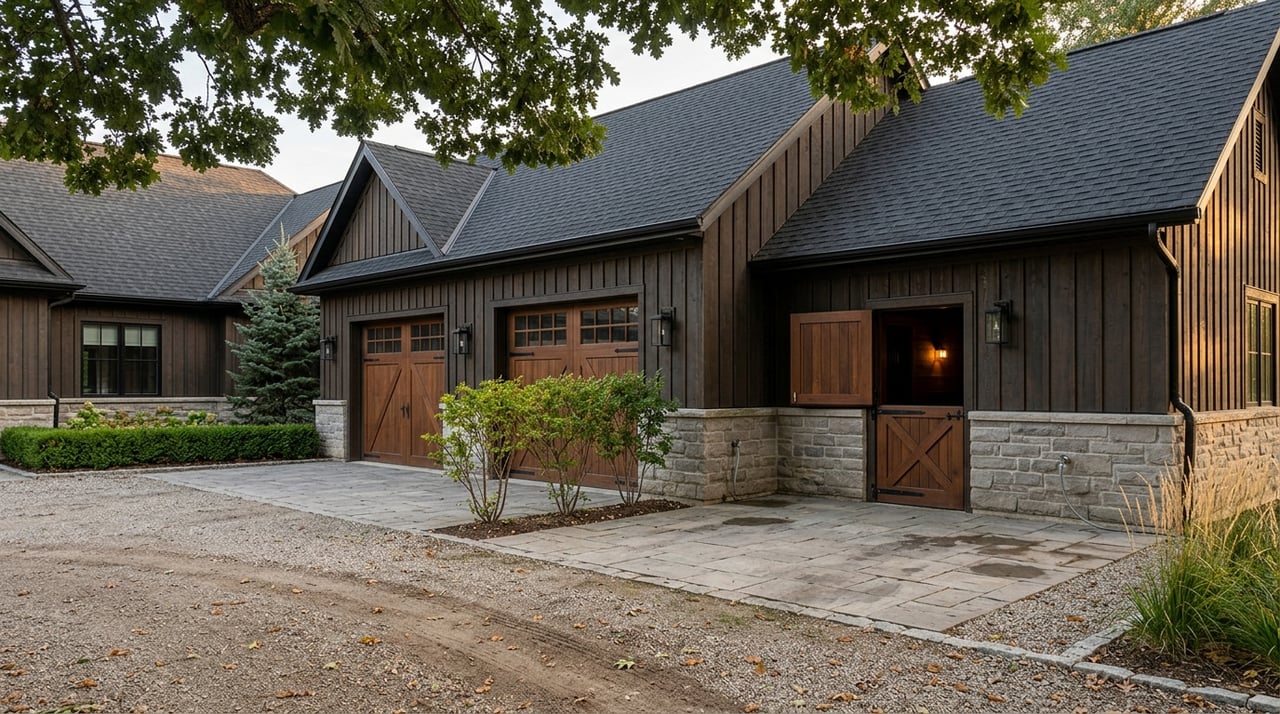
Looking for a home where horses are part of daily life, not just a weekend hobby? In Cherry Hills Village, that idea can be very real, but it takes more than spotting a big lot and a pretty fence. If you want a property that truly supports equestrian living, you need to understand trails, zoning, lot size, and site logistics before you fall in love with a home. Let’s dive in.
Why Cherry Hills Village Appeals to Equestrian Buyers
Cherry Hills Village has long held a semi-rural and pastoral identity, and that matters if you are searching for a horse-oriented lifestyle close to Denver. The city’s master plan describes a community that values open space and a trail system designed to accommodate equestrian, pedestrian, and bicycle traffic.
That trail network is a major part of the appeal. The city says it maintains more than 25 miles of trails and 50 acres of parkland and right-of-way improvements, and an archived annual report described 26 miles of bridle paths and hard-surface trails. For buyers who want everyday access to riding routes, that kind of infrastructure can make Cherry Hills Village stand out.
The High Line Canal adds another layer of value. The city describes it as a regional trail stretching more than 71 miles, and Cherry Hills Village resurfaced its full 3.75-mile section in 2025. If you are comparing properties, access to this larger trail system may shape how usable a home feels for your routine.
Large Lots Matter, But Zoning Matters More
Not every large property in Cherry Hills Village works the same way for equestrian use. The city’s zoning code points most clearly to three horse-oriented residential districts: R-1, R-2, and R-3.
Here is the basic lot-size framework buyers should know:
| Zoning district | Minimum lot size |
|---|---|
| R-1 | 2.5 acres |
| R-2 | 1.25 acres |
| R-3 | 1 acre |
There is also an R-3A district, but it follows a different variable-lot pattern starting at 16,000 square feet. That is not the same large-lot setup many buyers picture when they think about horse property in Cherry Hills Village.
The code also allows some horse-related uses beyond personal ownership. It permits limited horse boarding of up to two horses not owned by the resident on the lot, or on an adjacent lot owned by the same owner. It also allows equestrian training as an accessory use in R-1, R-2, and R-3, or at a private club.
Accessory Structures Can Make or Break Usability
A horse-friendly property is about more than acreage. Barns, tack rooms, turnout areas, fencing, and possible arena space often depend on what the city allows for accessory and recreational structures.
Cherry Hills Village has different footprint and setback limits based on zoning, with larger allowances on parcels of five acres or more. That means two homes with similar asking prices can offer very different real-world functionality if one site has more room for compliant structures.
Timing matters too. The city’s permit handout notes that accessory and recreational structure reviews can require multiple review cycles, with each cycle taking 10 business days. If you are buying with renovation or expansion in mind, that review timeline should be part of your planning from day one.
Trail Access Is Not All the Same
One of the easiest mistakes buyers can make is assuming that any nearby path equals horse access. In Cherry Hills Village, trail connectivity can vary quite a bit from property to property.
The city’s master plan says the local trail system includes both formal shared-use paths with paved or crusher-fine surfaces and informal grass or dirt pathways. In practical terms, that means you may be comparing homes with direct access to a public trail connection, access to a bridle trail, or simply proximity to open space without actual riding access.
That distinction matters. A 2026 city council agenda noted that some bridle easements along Cherry Hills Drive were determined to be private. So if trail access is high on your list, you will want to confirm whether it is public, private, club-based, or tied to an easement you cannot personally use.
Nearby Equestrian Support Adds Flexibility
Even if you are looking for a horse-ready property, nearby boarding and training options can still be part of the equation. Some buyers want to keep horses at home, while others prefer a hybrid setup with professional support nearby.
The Village Club at Pheasant Ridge, a private club in Cherry Hills Village, includes equestrian facilities, private horse boarding, and year-round riding lessons for members only. That can be an important option for buyers who value club amenities, though access depends on membership.
Cherry Creek State Park also expands the local riding picture. Its trail system spans 35 miles, and 12 Mile Stables at the park offers horse rentals, hay rides, day camps, riding lessons, and horse boarding.
In nearby Centennial, Mile High Equestrian & Rescue describes itself as a 10-acre boarding facility on the west side of Cherry Creek State Park with indoor and outdoor arenas, grounds, trails, and professional training. For buyers who do not need every equestrian feature on-site, nearby resources like these can create more flexibility in your home search.
What To Verify Before You Make an Offer
When a listing sounds horse-friendly, treat that as a starting point, not a final answer. The strongest purchases usually happen when you verify how the property works in the real world.
Here are the main questions to ask before writing an offer:
- Which zoning district governs the parcel?
- Does the lot size support your intended horse use?
- Are existing barns, tack rooms, arenas, fencing, and turnout areas permitted as accessory structures?
- Do those structures meet current setback and size limits?
- Is nearby bridle access actually public, or is it private or club-only?
- Will drainage, grading, manure handling, or trailer parking trigger added permits or maintenance obligations?
- Do any deed restrictions, HOA rules, or membership requirements affect how the property can be used?
These details can shape both your enjoyment of the property and your future costs. A home can look ideal on paper and still need more due diligence before it truly fits your plans.
Drainage and Site Work Deserve Attention
Horse properties often involve more site work than buyers expect. If you are thinking about adding structures, improving turnout space, or changing access patterns for trailers, drainage and stormwater review may come into play.
According to the city’s permit handout, drainage and stormwater documentation is required if a project adds more than 2,500 square feet of impervious surface area. The same applies if the project disturbs one acre or more, or if it is adjacent to a waterway or watercourse.
That does not mean a project cannot move forward. It simply means your timeline, design, and costs may look different than they would on a less complex site.
How To Think About Horse-Ready Value
In Cherry Hills Village, horse-ready value comes from a mix of factors, not one headline feature. Large acreage helps, but it is only part of the story.
A strong equestrian property usually combines suitable zoning, enough lot area, compliant accessory structures, practical trail connectivity, and manageable maintenance logistics. If even one of those pieces is missing, the property may function very differently than expected.
That is why buyers often benefit from looking beyond listing language and marketing photos. The goal is not just to buy a beautiful home. It is to buy a property that actually supports the way you want to live with horses.
If you are exploring equestrian-friendly homes in Cherry Hills Village, working with a local guide can help you ask the right questions early and avoid expensive surprises later. For tailored help navigating the Cherry Hills Village market, connect with Niki Collier.
FAQs
What makes Cherry Hills Village appealing for equestrian living?
- Cherry Hills Village has a long-standing semi-rural character, more than 25 miles of trails, and a trail system planned to accommodate equestrian, pedestrian, and bicycle traffic.
Which Cherry Hills Village zoning districts are most relevant for horse properties?
- The city’s zoning code most clearly identifies R-1, R-2, and R-3 as the key large-lot residential districts for horse-oriented use, with minimum lot sizes of 2.5 acres, 1.25 acres, and 1 acre.
Can a Cherry Hills Village property allow horse boarding or training?
- The code allows limited horse boarding of up to two horses not owned by the resident and allows equestrian training as an accessory use in R-1, R-2, and R-3, or at a private club.
Why should buyers verify trail access at a Cherry Hills Village home?
- Not every nearby path provides horse access, and some bridle easements have been identified as private, so buyers should confirm whether access is public, private, or club-based.
What permit issues should buyers watch for on a Cherry Hills Village horse property?
- Buyers should review accessory-structure limits, setback requirements, and whether planned site work could trigger drainage or stormwater documentation due to added impervious area, major disturbance, or proximity to a waterway.