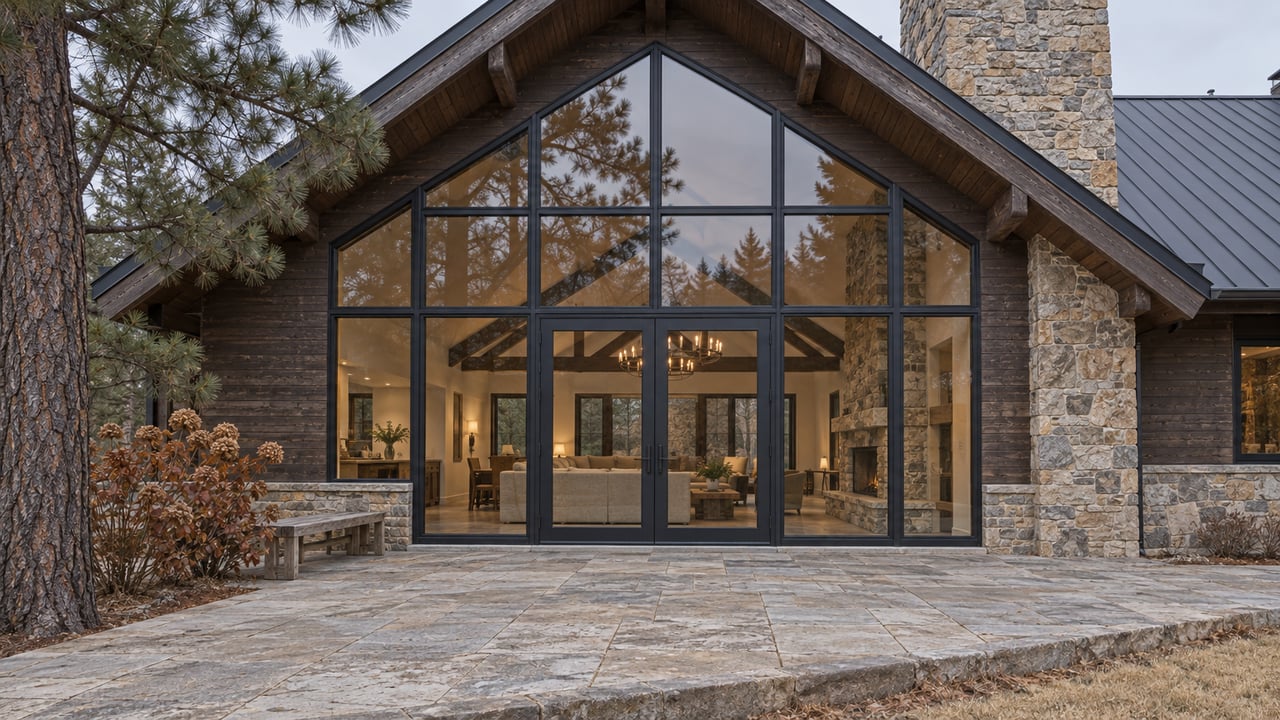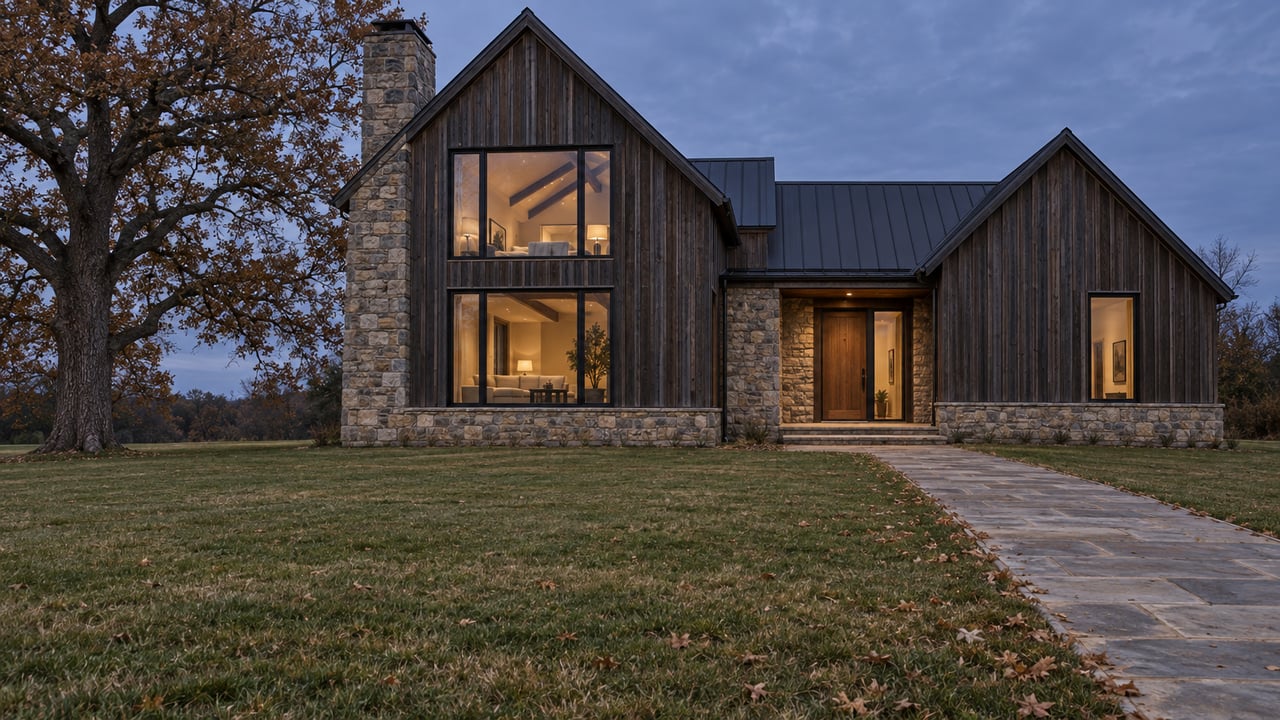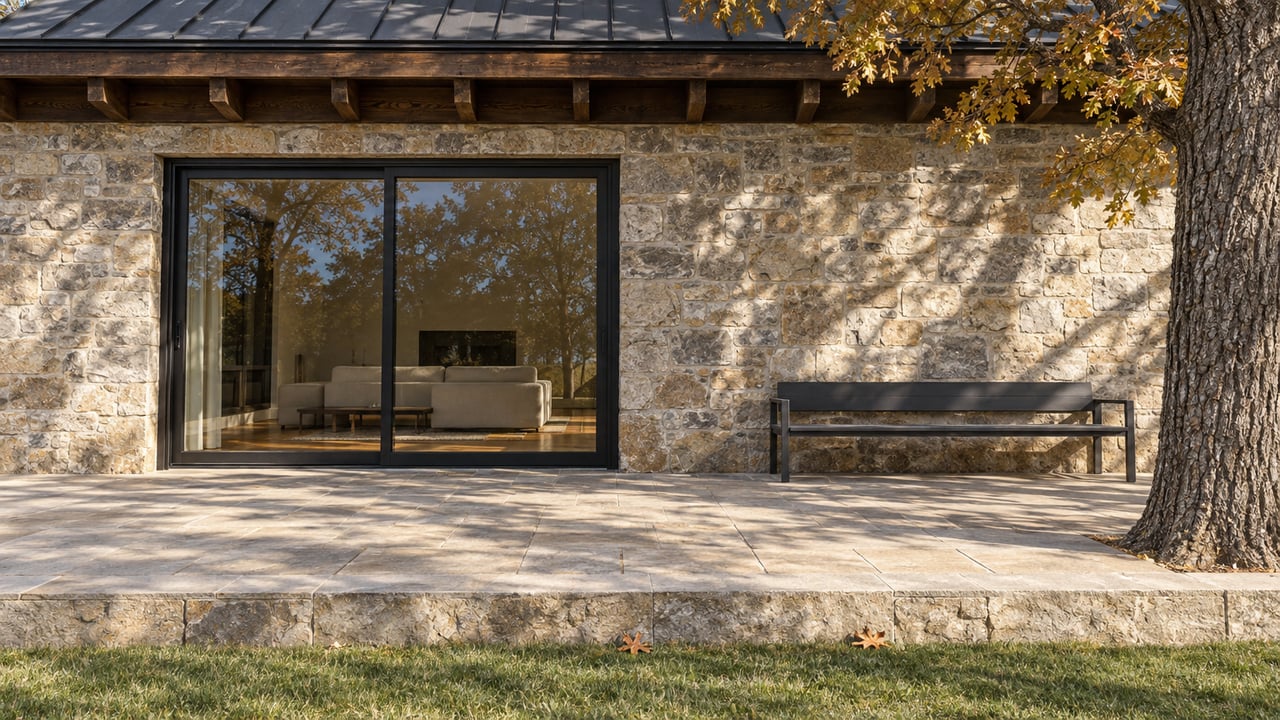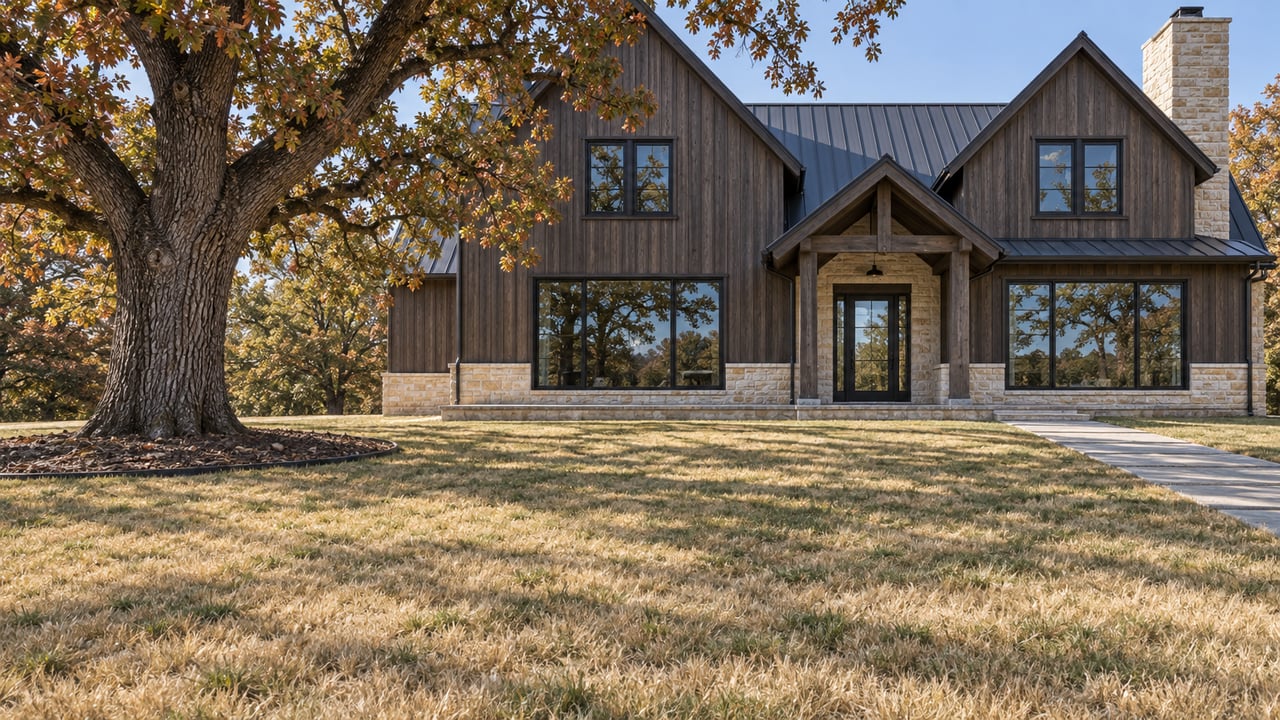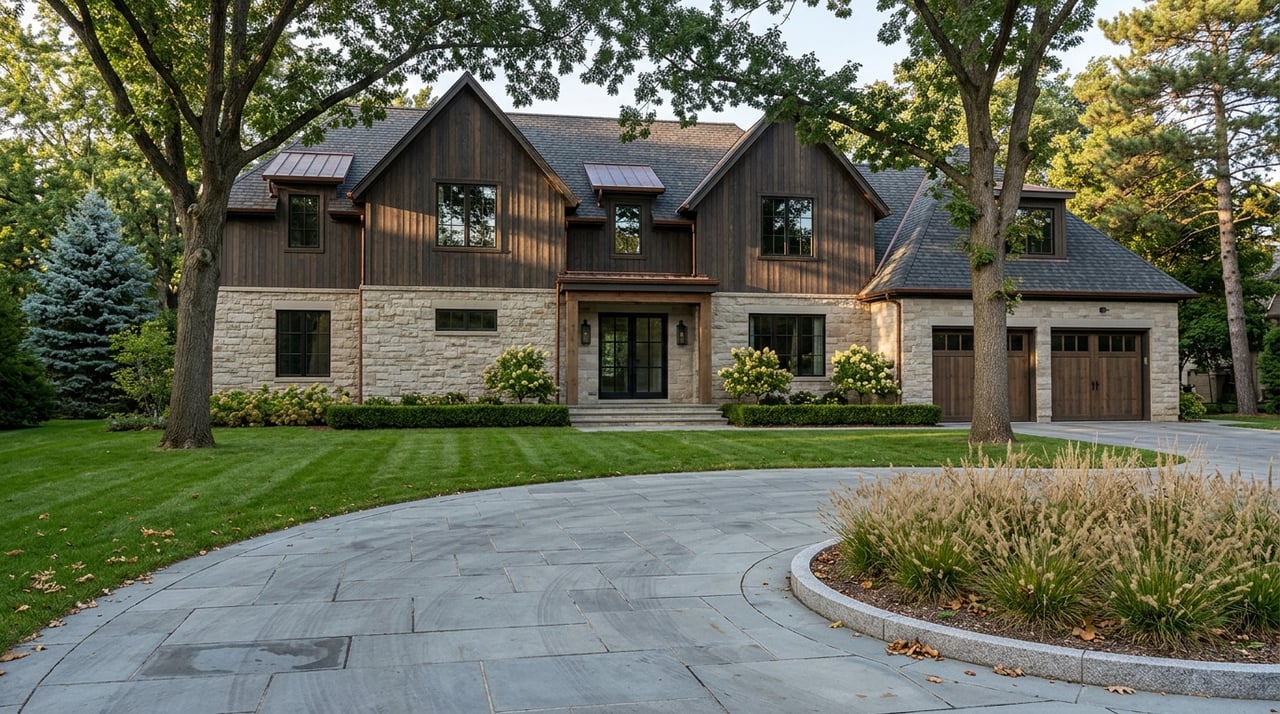
Dreaming about a luxury home with land in Cherry Hills Village? You are not alone, and you are also right to look beyond square footage and finishes. In this market, the real question is how the land actually functions for privacy, outdoor living, future improvements, and day-to-day enjoyment. Let’s dive in.
Why land matters in Cherry Hills Village
Cherry Hills Village stands out because land is part of the lifestyle. The city is regulated as a low-density residential community, with zoning districts that begin at 2.5-acre lots in R-1, 1.25-acre lots in R-2, 1-acre lots in R-3, and variable-lot R-3A parcels that can be as small as 16,000 square feet. That means lot size is not just a nice bonus here. It is often central to why buyers choose the area.
Still, larger acreage does not automatically mean more freedom. What matters most is how much of the parcel remains usable after setbacks, floodplain limits, easements, and rules for accessory structures are taken into account. A beautiful property on paper can feel very different once you understand what can actually be built, added, or changed.
Focus on usable land
When you compare luxury properties in Cherry Hills Village, try not to stop at the total acreage number. A larger parcel may carry prestige, but the value often comes from the part of the site you can truly use for outdoor living, privacy, recreation, or future plans. In practical terms, usable land often matters more than nominal land.
That can affect everything from where a pool might go to whether you can add a guest house or barn. It can also shape simpler decisions, like how much lawn you want to maintain or whether mature landscaping already creates the privacy you want. In a land-driven market, the site plan matters as much as the home itself.
Understand zoning before you fall in love
Cherry Hills Village publishes zoning, water-district, and sewer-district maps, but the city states these maps are informational only and should not be used as the official zoning determination for a parcel. That is an important detail for buyers. If you are seriously considering a property, you will want a parcel-specific zoning check rather than relying on a map screenshot or listing language.
This step matters even more if you have a vision for the property. Maybe you want a detached garage, a sport court, a pool, a guest house, or a future landscape project. Each of those ideas can be affected by district-specific rules, setbacks, and lot conditions.
Guest houses and outbuildings
One of the biggest reasons buyers seek land in Cherry Hills Village is the potential for accessory structures. The city code limits the number, size, and setbacks of accessory buildings and recreational structures differently in R-1, R-2, and R-3 districts. On certain R-1 lots of at least 5 acres, additional accessory structures and larger combined footprints may be allowed.
Guest houses are more limited. They are allowed only in R-1 and R-2, and they cannot be rented or used as event space. If a guest house is part of your wish list, it is worth confirming both zoning and site-specific feasibility early in the process.
Pools, courts, and outdoor amenities
Luxury buyers often want the land to support a full outdoor lifestyle. In Cherry Hills Village, pools and courts are regulated by setback and barrier standards, and detached dwellings and accessory structures are also subject to the building code. The city lists the 2024 editions of the International Building Code, International Residential Code, International Swimming Pool and Spa Code, and related codes as adopted standards.
That does not mean every improvement is difficult. It does mean you should treat future plans as part of your due diligence rather than assumptions. A property may look ideal for a tennis court, pool house, or detached studio, but the code and layout of the lot will decide what is realistic.
Privacy comes with rules too
Privacy is often a major reason people buy estate property, but in Cherry Hills Village it is not simply a matter of putting up a taller fence. Residential fences and perimeter walls are subject to rules on height, opacity, and setbacks from rights-of-way. The code also includes planting requirements along the street edge, such as trees or evergreen shrubs in some cases.
That is good to know if you are hoping to create a more secluded feel over time. Mature landscaping can be a major asset, but so can understanding what changes are allowed. On some properties, the existing tree line and berms may be just as valuable as the home’s interior updates.
Trees and landscape planning
Cherry Hills Village places clear value on preserving its semi-rural character. The code says tree protection is intended to help preserve that character, and certain established trees removed from setback areas must be replaced. For buyers, that means mature trees are not just aesthetic. They can also affect planning, budget, and future site work.
This is especially relevant if you are considering a major redesign of the grounds. Long driveways, expanded patios, retaining walls, and new structures can all interact with existing landscape conditions. A property with established trees may offer immediate beauty and privacy, but it can also require a more thoughtful approach to changes.
Floodplain review is essential
In Cherry Hills Village, floodplain review should be part of your standard due diligence. The city states that the majority of its 100-year floodplain lies on private property, and development in the floodplain is regulated through FEMA-based mapping. Most floodplain development requires a permit or variance depending on the work.
This matters whether you plan to build something new or simply want to understand the limits of the lot. Floodplain conditions can affect where improvements may go and how much flexibility you really have. A large parcel may feel expansive, but a floodplain can narrow the practical use of key areas.
Stormwater and site work
Large luxury lots often need more than basic upkeep. Irrigation, drainage, berms, walls, snow management, and debris clearing all tend to scale with the size of the site. If you are buying a property with significant land, it helps to think of the grounds as an ongoing system, not just a backdrop.
Cherry Hills Village also regulates stormwater closely. The city requires permits for construction or site work that disturbs one acre or more, or work near watercourses or wetlands. If your long-term plan includes major grading or landscape changes, this is another reason to ask detailed questions before closing.
Horses and equestrian use
Some land-oriented buyers also ask whether a property can support horses. Cherry Hills Village allows limited horse boarding, including up to two horses not owned by the resident to be boarded and stabled on the lot or an adjacent lot owned by the same owner. Equestrian training is also allowed as an accessory use in R-1, R-2, and R-3 districts or at a private club.
The city also regulates animal confinement and prohibits livestock from running at large. If equestrian use is part of your plan, you will want to confirm how the parcel’s layout, fencing, and improvements align with those rules.
What the permit path looks like
The permit process for estate properties is not always the same as for a conventional subdivision lot, but that does not mean every project requires the same level of review. Cherry Hills Village says site plan review is generally not required for single-family detached dwellings and accessory buildings or structures on individual residential lots. Even so, building permits and other approvals may still apply.
That distinction matters because it helps set expectations. A project may be possible without a full site plan review, yet still require careful coordination around code, setbacks, floodplain limits, or stormwater rules. In other words, simpler does not mean automatic.
Smart due diligence for luxury land buyers
Colorado’s Division of Real Estate notes that buyers commonly review title, covenants, and HOA documents during the purchase process. For a Cherry Hills Village property with land, that review should be paired with a parcel-specific zoning check, floodplain review, and a conversation with the city about any planned guest house, pool, barn, retaining wall, or major landscape project.
A helpful due diligence checklist may include:
- Confirm the zoning district for the specific parcel
- Review setbacks, easements, and accessory-structure rules
- Check whether any part of the property lies in the floodplain
- Ask about permits for planned site work or improvements
- Review title, covenants, and any HOA documents
- Evaluate the maintenance demands of the grounds, trees, walls, and drainage
These steps can help you buy with clarity instead of assumptions. They can also help you compare two similar-looking estate properties in a much more meaningful way.
How to judge value beyond acreage
In the luxury segment, it is easy to assume that more land always means more value. In reality, lot size and value are related in a more nuanced way. Larger lots can carry premiums, but value per acre often declines as parcel size increases.
That is why buyers in Cherry Hills Village often do best when they focus on what the land actually delivers. Privacy, amenity potential, buildable space, and long-term usability are usually what create the premium, not acreage by itself. A smaller parcel with better layout and fewer constraints may fit your goals better than a bigger one with limited functional space.
Buying with a clear plan
The best luxury home purchases in Cherry Hills Village usually start with a clear sense of how you want to live on the land. Maybe you want room for a guest house, a pool, a quiet lawn framed by mature trees, or equestrian use. Maybe you simply want breathing room and privacy without taking on more maintenance than you want.
When you match that vision to zoning, site conditions, and realistic improvement options, you make a stronger decision. In this market, the smartest buyers look at the house and the land as one package. If you want help sorting through what is truly usable, what may be possible, and which properties best fit your goals, connect with Niki Collier.
FAQs
What should you check before buying land in Cherry Hills Village?
- Review parcel-specific zoning, setbacks, easements, floodplain conditions, title documents, covenants, and any HOA materials, especially if you plan future improvements.
Can you build a guest house in Cherry Hills Village?
- Guest houses are allowed only in R-1 and R-2, and they cannot be rented or used as event space.
Do Cherry Hills Village luxury lots have floodplain restrictions?
- Yes. The city states that much of the 100-year floodplain lies on private property, and most floodplain development requires a permit or variance depending on the work.
Are fences and privacy walls regulated in Cherry Hills Village?
- Yes. Residential fences and perimeter walls are subject to rules for height, opacity, setbacks from rights-of-way, and certain planting requirements.
Can you add pools or sport courts to a Cherry Hills Village property?
- Potentially, but pools and courts are regulated by setback and barrier standards, and other building code requirements may also apply.
Are horses allowed on residential property in Cherry Hills Village?
- Yes, limited horse boarding and equestrian training are allowed under city rules, subject to the applicable district and animal confinement requirements.